
What Yoast SEO AI is and what problem it solves in 2026
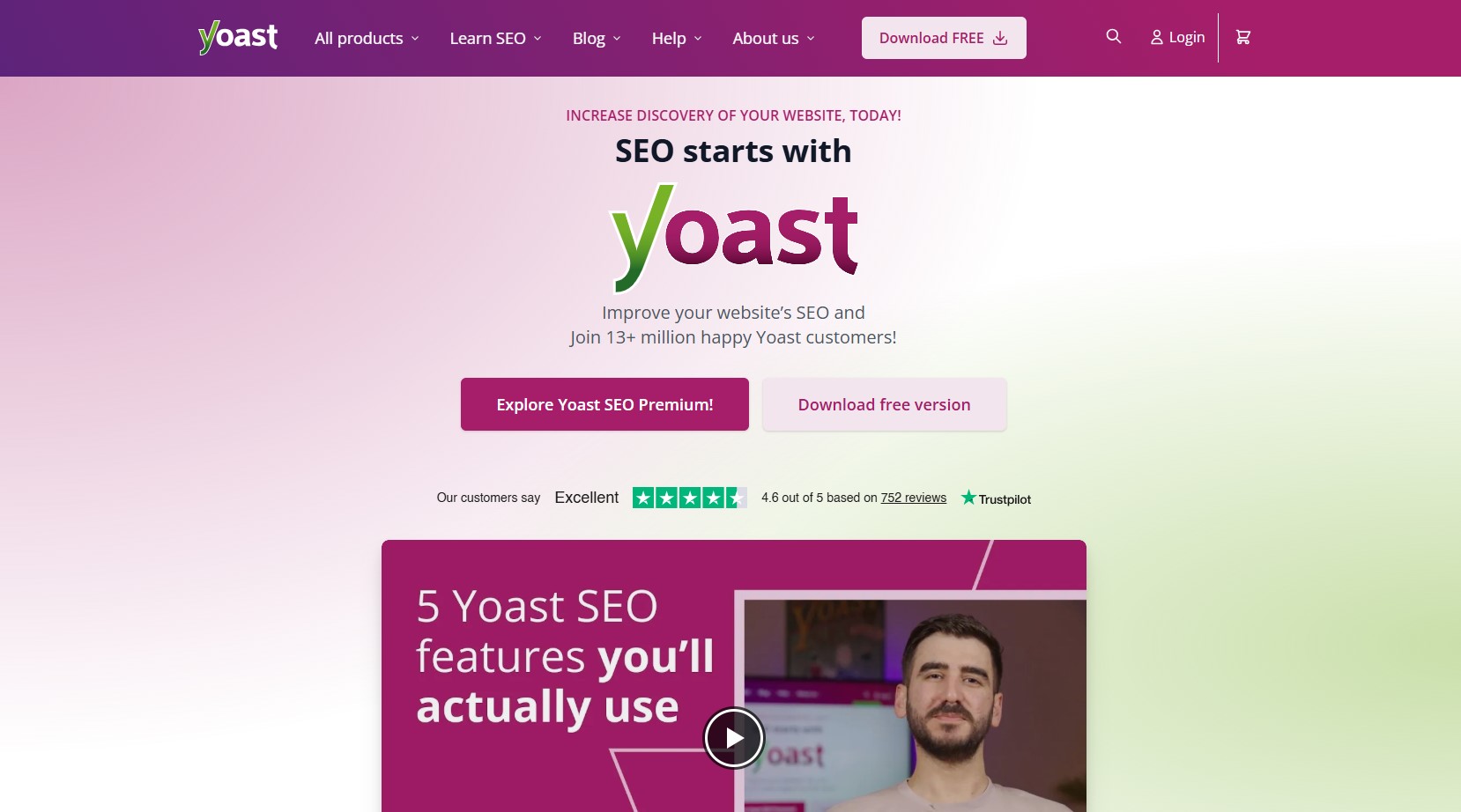
Yoast SEO AI refers to the artificial‑intelligence‑powered capabilities built into the Yoast SEO plugin for WordPress, specifically designed to help creators, marketers, and SEO professionals generate and optimize content that performs well in both traditional search and emerging AI‑driven visibility contexts. Instead of requiring separate AI writing or optimization tools, Yoast integrates AI‑assisted generation, summarization, and on‑page optimization directly into the plugin’s workflow, reducing manual effort and helping ensure that titles, meta descriptions, summaries, and key on‑page elements align with modern search signals and user intent. These features are particularly useful in a 2026 landscape where clear, intent‑aligned content and structured meta elements influence not just rankings but how content appears inside AI summaries and rich search experiences.
Who owns Yoast SEO AI and the company behind it
Yoast SEO AI features are part of Yoast SEO, a widely installed WordPress plugin developed by Yoast BV, a company focused on SEO tools and education. Yoast has been a cornerstone of on‑page SEO tooling for WordPress sites for over a decade, evolving its product from checklist‑style guidance to include AI‑augmented writing and optimization features within subscription tiers. The company’s mission remains helping users apply SEO best practices without deep technical expertise, and its AI enhancements extend that mission by simplifying routine optimization tasks.
How Yoast SEO AI actually works
Yoast SEO integrates AI through a set of tools embedded into the WordPress editor (Gutenberg). The core components include:
-
AI Generate, where users can automatically produce SEO‑optimized titles and meta descriptions for posts, pages, categories, and WooCommerce products with a click, selecting or regenerating options until satisfied.
-
AI Summarize, which generates bullet‑point summaries of content that help both human readers and AI systems quickly grasp the page’s key messages.
-
AI Optimize, which provides suggestions to improve existing content against Yoast’s SEO analysis criteria (e.g., keyphrase placement, density, sentence length).
These features use generative models via the OpenAI API and integrate them seamlessly within the WordPress SEO sidebar, letting users apply and tweak suggestions while maintaining editorial control. The AI suggestions align with Yoast’s underlying SEO logic, aiming to improve clarity, relevance, and discoverability.
Real‑world use cases and how professionals use it today
Websites and SEO teams use Yoast SEO AI to speed up routine optimization work: generating meta titles and descriptions without manual drafting, summarizing long posts to improve clarity and engagement, and applying AI‑suggested edits to meet key SEO checks. Freelancers and small agencies use it as an integrated content assistant that saves time and ensures SEO best practices are followed consistently. Ecommerce site owners leverage AI for product metadata via the WooCommerce SEO extension. Since all AI activity happens inside WordPress, it fits naturally into publishing workflows where content and SEO meet.
Current pricing plans in 2026
Yoast SEO offers both free and premium plans with AI capabilities tied to subscription tiers:
-
Yoast SEO Free: Core SEO features such as technical SEO, meta field editing, and content analysis; very limited access to AI features with usage restrictions (rate limits).
-
Yoast SEO Premium: Annual subscription (~$118.80/year or equivalent) that unlocks full AI Generate, AI Summarize, and AI Optimize features for posts and pages, along with premium SEO tools like redirects, internal linking assistants, and advanced schema controls.
-
Yoast SEO WooCommerce SEO: Extends AI generation to product SEO elements when bundled with Premium.
Yoast also offers Yoast SEO AI+, a standalone browser‑accessible AI visibility and brand insights dashboard with AI brand mention tracking, citations, and competitor benchmarking starting at about $358.80/year separately.
How pricing compares to competitors
Compared with standalone AI content platforms or full SEO suites that bundle wide‑ranging analytics, rank tracking, and AI content tools, Yoast’s pricing is moderate and focused on in‑CMS optimization. Its premium tier is competitive with similar WordPress SEO plugins (e.g., Rank Math, AIOSEO) but lacks expansive central dashboards found in SaaS platforms like Semrush or Ahrefs. Yoast’s approach — plugin + optional AI visibility dashboard — delivers value for site‑centric users but may be less appealing for teams that want unified enterprise SEO tools with broader analytics and AI performance insights.
Who should use Yoast SEO AI and who should not
Yoast SEO AI is well‑suited for WordPress site owners, bloggers, content teams, and small to mid‑sized agencies that publish frequently and manage SEO within WordPress. Its in‑editor AI tools reduce friction and simplify optimization workflows. It’s less appropriate for large enterprise SEO programs that require integrated rank tracking, backlink analysis, or organization‑level AI search visibility dashboards — functions better served by dedicated SEO platforms. Similarly, teams that prefer full generative AI writing suites with advanced control over creative output may find Yoast’s plugin‑centric AI features comparatively limited.
Strengths, limitations, and realistic drawbacks
Among its strengths, Yoast SEO AI offers seamless integration with WordPress, instant access to SEO‑focused AI suggestions, and editorial control over generated content. It simplifies repetitive tasks like meta creation and content summarization without exiting the editor. Limitations include the beta nature of some optimize features (e.g., limited word count and block support), rate limits under heavy use, and simpler generative output compared with standalone AI content platforms. Some SEO professionals also note that plugin output quality varies with content complexity, and manual refinement remains essential.
How Yoast SEO AI is being used in businesses and teams
In routine SEO workflows, Yoast SEO AI is part of content creation and publishing cycles. Writers generate SEO‑ready titles and summaries early in drafts, then use optimization suggestions to tighten keyphrase usage and satisfy SEO checks before publication. In ecommerce setups, product teams use AI generation to create optimized product metadata at scale. Agencies managing multiple client WordPress sites often standardize Yoast workflows to ensure consistent SEO quality across editors and projects. The optional AI+ product with brand insights adds competitive visibility analysis for brand‑level performance measurement outside WordPress.
Why Yoast SEO AI matters in the AI landscape in 2026
By 2026, search engines increasingly summarize and answer queries using large language models, meaning that traditional on‑page SEO elements like titles, meta descriptions, and clear content structure still influence whether and how content is surfaced or cited by AI systems. Yoast SEO AI matters because it brings intelligent SEO assistance right into the publishing layer, helping ensure that both humans and AI agents can interpret your content meaningfully. This integration helps sites remain competitive as search behaviors shift toward quick answers and relevance signals.
A concise final verdict written like a human expert
Yoast SEO AI in 2026 is a practical, WordPress‑native AI toolkit that streamlines core SEO tasks, especially for teams that publish regularly and want AI‑assisted optimization without switching platforms. Its strengths are in in‑editor content generation, summarization, and optimization that align with SEO best practices, while its pricing and plugin model make it accessible for small to mid‑sized sites. It doesn’t replace comprehensive SEO suites with deep analytics, but for what it does — helping creators write clear, optimized content quickly — it delivers solid value embedded exactly where content is managed.