
What The SEO Framework AI is and what problem it solves in 2026
The SEO Framework AI isn’t a distinct standalone “AI app” in the way SaaS tools like SurferSEO or Semrush AI operate, but rather reflects AI‑influenced capabilities and metadata automation within The SEO Framework, a WordPress SEO plugin. This plugin focuses on automated, lightweight, and standards‑compliant SEO optimization — handling critical aspects like *meta tag generation, canonical URLs, structured data (Schema.org), sitemap output, and search crawler directives — all with minimal user input and minimal bloat. In 2026, as search and AI discovery behaviors evolve, site owners still need clean, SEO‑ready metadata and structured markup that search engines and AI answer engines can interpret efficiently. The SEO Framework automates much of this metadata logic, reducing manual workload and helping sites stay competitive without a heavy, intrusive UI.
Who owns The SEO Framework AI and the company behind it
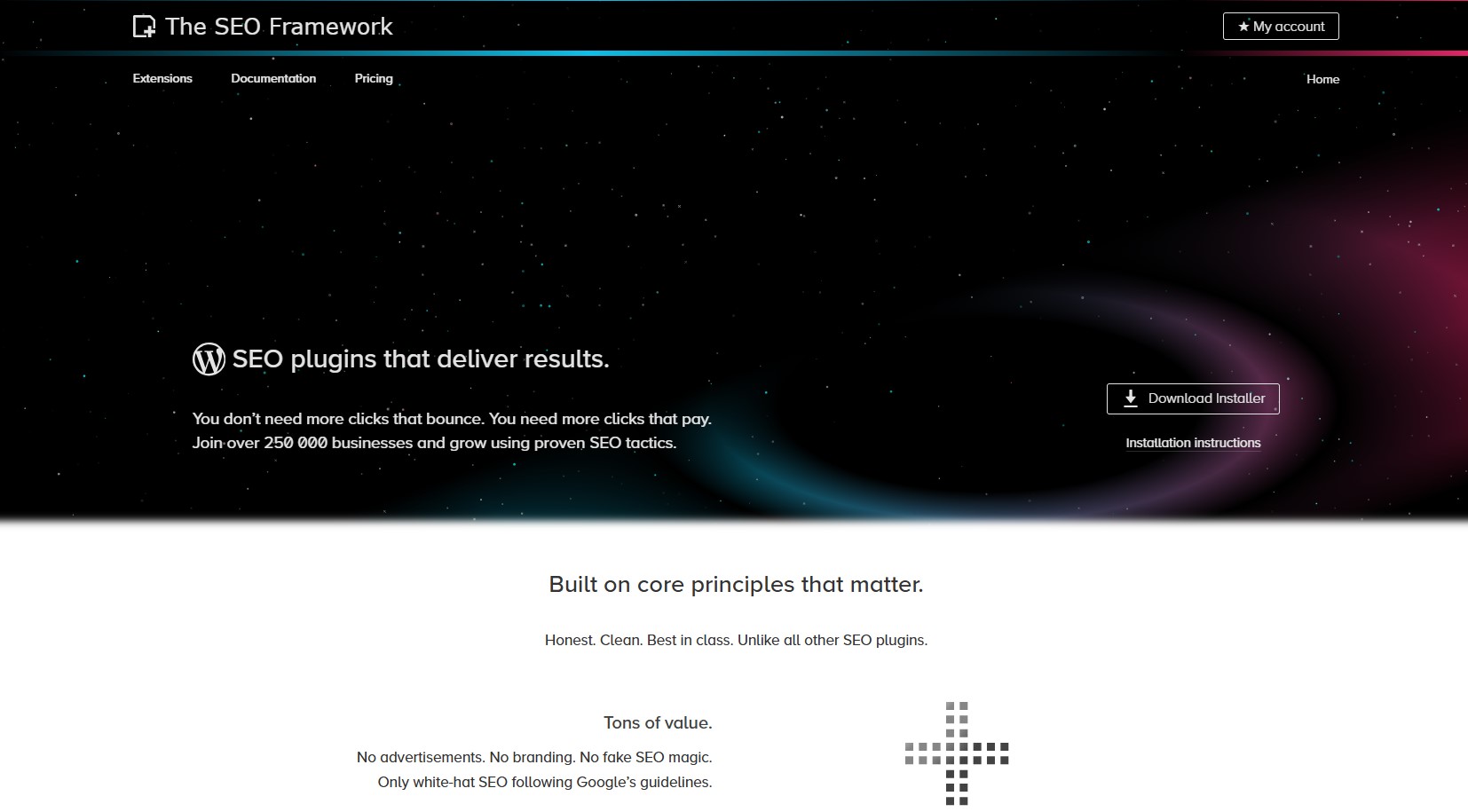
The SEO Framework — whose “AI” suggestions are embedded in its automated metadata generation and optimization patterns — is developed by Sybre Waaijer and maintained under the The SEO Framework brand. It is available as a free, open‑source WordPress plugin distributed via WordPress.org and directly from its official site, with optional paid subscriptions to unlock additional extension bundles and API‑based enhancements. The project is known for its privacy‑focused, ad‑free approach that emphasizes best‑practice SEO automation without tracking or telemetry.
How The SEO Framework AI actually works
The SEO Framework operates by analyzing your WordPress site environment and content to generate optimized SEO metadata automatically. This includes meta titles and descriptions, canonical URLs, structured data, sitemaps, robots directives, and open graph/social tags. Out of the box, it uses intelligent defaults so that most of the essential optimization work happens immediately upon installation — no complex setup required. While the base plugin doesn’t have a full generative content AI like GPT‑based text writers, it leverages intelligent logic to produce relevant meta tags and structured markup in context — which in practical terms behaves like a lightweight “AI suggestion” layer that aligns your site with search engine expectations without manual entry. Some extensions and API integrations (per paid tiers) also allow more advanced analysis or suggestions that resemble AI‑driven optimization.
Real‑world use cases and how professionals use it today
Website owners and SEO professionals use The SEO Framework to ensure consistent, automated SEO metadata across millions of pages without manual editing. It’s common on blogs, business sites, portfolios, and e‑commerce setups where lightweight, reliable SEO automation is preferred. Developers and performance‑focused teams choose it where site speed and minimal plugin bloat matter, because it integrates cleanly into WordPress and doesn’t add heavy scripts or dashboards. Agencies sometimes deploy it on client sites that need baseline SEO protection without ongoing oversight, relying on its automation to maintain crawlable, indexable content that responds well to evolving search engine standards.
Current pricing plans in 2026
The SEO Framework is primarily free to install and use on unlimited WordPress sites. For users who want additional power, the plugin offers paid tiers through its extension manager with API request quotas: Pro (~$7/month), Business (~$17/month), and Agency (~$27/month) subscriptions — each increasing API request limits and the number of sites covered. These paid tiers unlock premium extensions (e.g., advanced sitemap, local SEO, analytics) that can create richer SEO signals or integrate API‑based enhancements.
How pricing compares to competitors
Compared with other WordPress SEO plugins that bundle built‑in AI content generation or deep generative optimization features (e.g., Rank Math, Yoast, SEOPress with OpenAI integrations), The SEO Framework’s pricing is significantly lighter because its core value is automated metadata and smart defaults rather than LLM‑powered content creation. Competitors often charge per site and layer on AI credit costs or deeper analytics fees, whereas The SEO Framework keeps its core engine free and optional extensions affordable — appealing where fast performance and simplicity outweigh advanced AI content needs.
Who should use The SEO Framework AI and who should not
This plugin is ideal for WordPress site owners, developers, and SEO practitioners who want robust SEO fundamentals with minimal maintenance, especially where site speed, privacy, and automation are priorities. Its automated metadata and structured data outputs help sites stay optimized without constant manual tweaking. It’s less suitable for large enterprise SEO teams or content‑heavy marketers who need deep AI‑generated content, keyword research, or AI search visibility analytics that go beyond metadata automation — those needs are better served by dedicated SEO suites or plugins with full generative AI features.
Strengths, limitations, and realistic drawbacks
A key strength is The SEO Framework’s clean, lightweight, and automated approach to SEO — it sets up essential metadata and structured data without clutter or performance overhead. Its privacy‑first design and absence of ads or tracking makes it attractive for performance‑sensitive sites. Limitations include the absence of deep generative AI content tools or built‑in keyword strategy insights found in larger SEO platforms. Unlike plugins that offer AI content creation or rich content optimization workflows, The SEO Framework focuses on technical metadata and automation rather than text generation or search behavior forecasting. Some users also find that advanced on‑page or AI content guidance must be sourced elsewhere.
How The SEO Framework AI is being used in businesses and teams
In business workflows, The SEO Framework is part of baseline SEO governance: it ensures all sites have accurate HTML metadata, canonical URLs, sitemaps, and schema markup. Developers integrate it into deployment pipelines to automate SEO excellence across staging and production. Agencies deploy it on client portfolios where consistent, low‑maintenance SEO protection is preferred. Tech teams use it alongside external analytics and AI search monitoring tools to correlate crawl performance with business KPIs.
Why The SEO Framework AI matters in the AI landscape in 2026
Even as generative AI and answer engines reshape search, structured metadata and technical SEO remain foundational to how content is discovered and understood. The SEO Framework matters because it automates these fundamentals with minimal overhead, letting teams and publishers focus on content strategy and performance without losing ground to technical SEO issues. Its lightweight automation aligns with the AI era’s emphasis on semantic clarity and machine‑readable page structure, prerequisites for visibility in both traditional SERPs and AI summarization.
A concise final verdict written like a human expert
In 2026 The SEO Framework AI — better described as AI‑aligned automation within the plugin’s core SEO engine — is a practical, lightweight solution for WordPress sites that need reliable, automated metadata and structured SEO without unnecessary bloat or complexity. It excels at day‑to‑day SEO fundamentals but does not compete with full generative AI content or AI visibility analytics platforms. For developers, agencies managing many client sites, and performance‑oriented publishers prioritizing clean code and basic SEO automation, it remains one of the most efficient SEO plugins available.