
What Squirrly AI is and what problem it solves in 2026
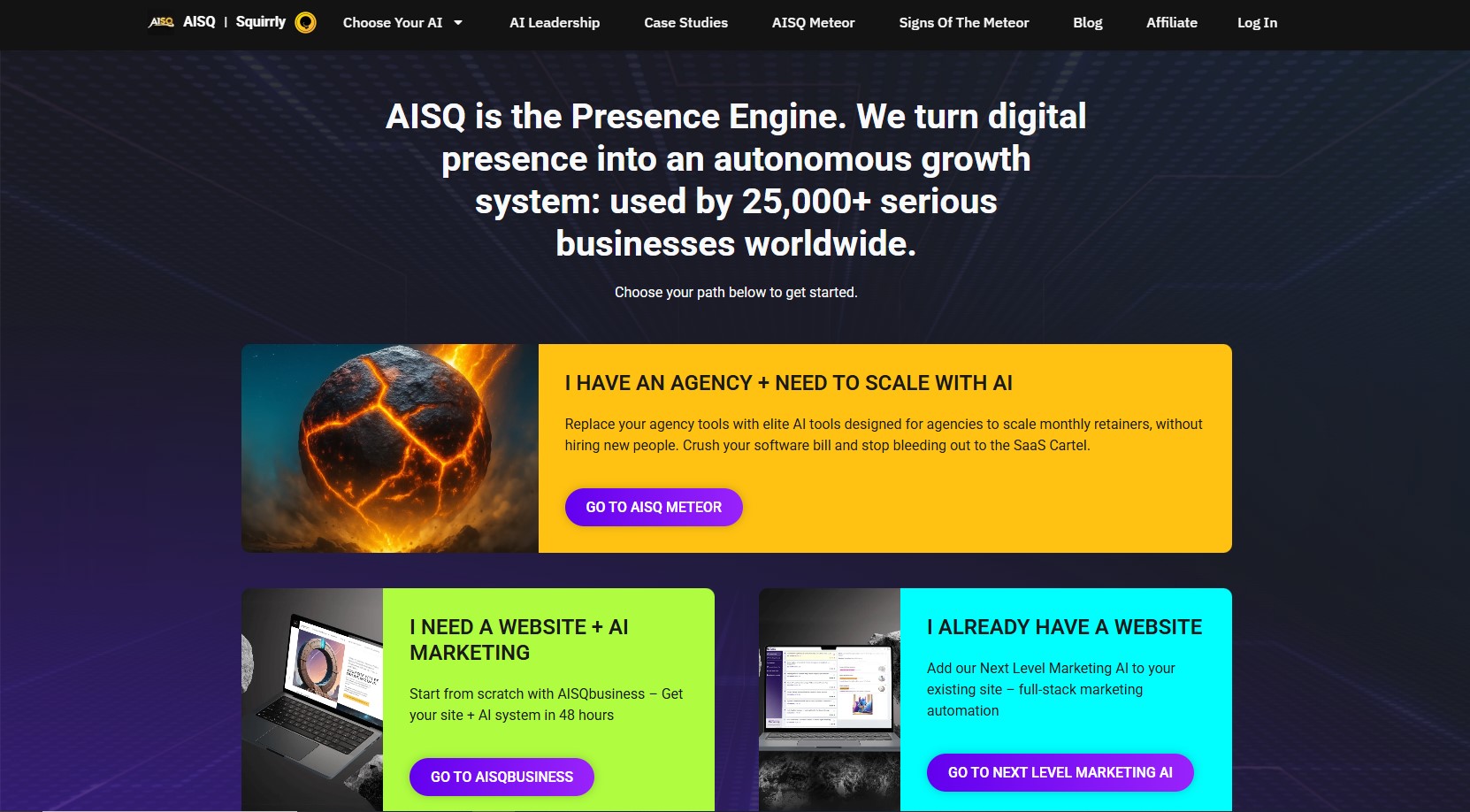
Squirrly AI refers to the artificial‑intelligence‑powered components embedded within the Squirrly SEO platform — a combined WordPress SEO plugin and cloud‑based SEO suite designed to help users plan, optimize, and execute SEO strategies with guided AI assistance rather than solely manual processes. In 2026 Squirrly uses machine learning and AI‑augmented research to automate keyword discovery, content optimization guidance, ranking likelihood scoring, and SEO audits so that site owners don’t have to stitch together multiple tools or rely on spreadsheets for basic SEO tasks. Its AI‑assisted features include proprietary Ranking Vision AI, AI‑powered keyword research with idea expansion, step‑by‑step SEO goals and to‑dos, and SEO live assistant feedback directly inside the publishing workflow, helping teams reduce guesswork and focus on impactful optimizations that align with ranking patterns and search intent.
Who owns Squirrly AI and the company behind it
Squirrly AI capabilities are developed and marketed by Squirrly Limited, a UK‑registered company behind the Squirrly SEO product family. The platform has evolved over many years from a simple WordPress SEO plugin into a hybrid plugin + SaaS SEO suite that blends on‑site optimization tools with cloud‑based analytics and AI‑driven guidance. Its global user base spans freelancers, small business marketers, and agencies that want a holistic SEO solution under one roof rather than disparate point tools.
How Squirrly AI actually works
Squirrly AI combines plugin‑embedded smart assistants, cloud‑based machine learning models, and large datasets to drive actionable search optimization insights. At the core are AI‑powered keyword research and Ranking Vision AI, which analyze historical and real‑time data from billions of web pages to estimate “chance to rank” scores and suggest priorities for improvements. The platform’s SEO Live Assistant gives real‑time feedback while you write or edit content, helping you optimize for relevance, user intent, and technical SEO health rather than just hitting arbitrary keyword densities. Its systems automatically feed insights back into SEO goals and to‑do lists tailored to your specific focus pages, so users always know what to tackle next.
Real‑world use cases and how professionals use it today
In practice, content marketers use Squirrly AI to discover keyword opportunities, generate lists of semantic variants, and analyze competitor gaps without toggling between tools. SEO analysts embed SEO goals directly into their editorial calendars, converting AI‑suggested to‑dos into structured tasks for writers and developers. Agencies leverage its cloud analytics and focus page scoring to benchmark progress for clients and justify SEO investment with rank predictions rather than just historical data. Teams also harness built‑in audit features to find and prioritize issues such as duplicate metas, schema gaps, or internal linking opportunities.
Current pricing plans in 2026
Squirrly SEO’s pricing is transparent and tiered for different user needs. Its Free plan includes basic AI features — limited keyword research, focus pages, and audit credits — suitable for bloggers and solo site owners. Paid plans start with a Pro tier (~$9.99/month) offering more AI‑enabled keyword research, audit pages, and Ranking Vision AI, and scale up through Web Dev Kit (~$51.20/month) and Business (~$71.99/month) tiers that add sites, focus pages, and deeper cloud analytics. All plans include access to both the WordPress plugin and the Squirrly Cloud App, with options to buy extra keyword research or SERP checker credits if needed.
How pricing compares to competitors
Compared with standalone SEO suites with AI features like Semrush or Ahrefs, Squirrly’s pricing is generally more affordable for users focused on WordPress and guided SEO workflows rather than deep link data or enterprise reporting. Because Squirrly bundles AI‑guided recommendations, analytics, audits, schemas, and keyword research into one plugin + SaaS environment, it offers a broader all‑in‑one utility at lower entry prices — particularly attractive for small teams and agencies — though at the expense of some advanced capabilities found in richer dashboards from larger SEO platforms.
Who should use Squirrly AI and who should not
Squirrly AI is well suited for freelancers, small business owners, content teams, and agencies that want guided SEO workflows, step‑by‑step AI recommendations, integrated content optimization, and affordable multi‑site support. Its plugin + cloud model works especially well for WordPress sites and teams that value practical guidance over raw data dumps. It’s less appropriate for large enterprise SEO divisions requiring robust backlink analytics, advanced technical crawling models, and high‑volume data exports — where full enterprise platforms with deeper SEO stacks may deliver more comprehensive analytics.
Strengths, limitations, and realistic drawbacks
Strengths of Squirrly AI include its holistic approach — blending keyword research, audit feedback, real‑time optimization insights, and strategic to‑dos — all under one interface with gamified progress guidance. Its AI systems help demystify SEO for non‑experts. Limitations include a learning curve for complex SEO features, some feature limitations on lower tiers (e.g., limited SERP credits or rank tracking) and the fact that its AI keyword research and chance‑to‑rank predictions may not match the breadth of data from larger enterprise tools. Some users also report UI complexity when leveraging many advanced features simultaneously.
How Squirrly AI is being used in businesses and teams
In real workflows, Squirrly AI is embedded into content creation cycles, audit and optimization sprints, and client reporting routines. Teams use its focus page scoring to set performance goals and track progress against benchmarks. SEO and content squads convert AI‑generated to‑dos into editorial briefs, while agencies aggregate cloud analytics to demonstrate growth trajectories to stakeholders. Marketing operations teams integrate Squirrly analytics with Google Analytics and Search Console data to assess impact and refine strategies.
Why Squirrly AI matters in the AI landscape in 2026
By 2026, SEO success depends on both technical optimization and semantic relevance, and many content teams struggle to translate raw data into actionable SEO strategy. Squirrly AI matters because it layers AI‑driven guidance, real‑time feedback, and prioritized to‑dos atop core SEO metrics, helping users bridge the gap between data and execution without a steep learning curve. Its approach reflects broader trends where AI assists rather than replaces human decision‑making in SEO, especially for teams that want practical, prioritized tasks instead of just dashboards.
A concise final verdict written like a human expert
Squirrly AI in 2026 is a practical, all‑in‑one SEO solution that combines AI‑guided keyword discovery, optimization feedback, audit intelligence, and strategic task guidance into a WordPress‑centric platform with optional cloud analytics. It’s particularly valuable for small teams, agencies, and content producers who want clear, prioritized AI recommendations rather than raw datasets. While not as deep as full enterprise SEO suites, its holistic, guided workflows and affordable pricing tiers make it a strong contender for teams wanting actionable SEO help without the complexity and cost of heavy enterprise software.