
In 2026, 2wai (pronounced “two-way”) stands out in the AI landscape as a pioneering platform that blurs the boundaries between human presence and artificial intelligence. Built around real-time conversational avatars, 2wai has sparked both fascination and controversy, positioning itself at the intersection of digital identity, legacy preservation, creator engagement, and ethical debate. This article offers an up-to-date, thoroughly researched look at the tool, its technology, use cases, pricing outlook, adoption trends, and where it fits into the modern AI ecosystem.
What 2wai Is and the Problem It Aims to Solve
2wai is an AI-driven avatar creation platform designed to let users generate lifelike, interactive digital personas—called HoloAvatars—from a short video captured on a phone or webcam. These avatars simulate real-time, two-way conversations, maintaining appearance, voice, and memory cues that reflect the original subject. The core claim is that with just minutes of footage, anyone can create a persistent, conversational digital twin that can interact in over 40 languages. The technology is marketed as a way to preserve personal legacy, extend individual presence, and facilitate immersive interaction with historical figures, brands, or loved ones, even after those people have passed away.

2wai aims to solve what its founders describe as limitations in current AI chat and digital representation tools. Traditional chatbots and social platforms lack lifelike embodiment and persistent memory tied to specific individuals. 2wai positions itself as a platform where identity, appearance, voice, and personality coalesce into an AI agent that can speak, remember, and engage meaningfully with others in a virtual environment.
Company Ownership and Founders
2wai is developed by 2wai, Inc., a Los Angeles-based AI startup. The company was co-founded by Calum Worthy, known for his acting career (notably on Disney Channel’s Austin & Ally), and Russell Geyser, a producer and entertainment industry veteran. The founders have framed their work as a response to unauthorized deepfake technology and a way to give people control over their own digital likenesses. 2wai emerged publicly in 2025 after a stealth period, backed by approximately $5 million in pre-seed funding, with early partnerships cited with brands including British Telecom and IBM.
How 2wai Works in Practice
At its technical core, 2wai leverages HoloAvatar technology and a proprietary on-device AI engine called FedBrain. Users start by recording a brief video—often around three minutes—using the 2wai app on iOS or compatible devices. The system analyzes facial features, voice patterns, mannerisms, and verbal content to generate a digital avatar that can simulate conversation with users or other avatars in real time. The avatars incorporate multilingual communication capabilities, enabling engagement across global audiences.
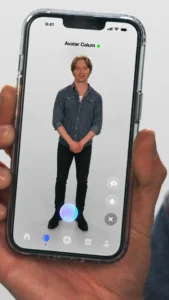
FedBrain is designed to prioritize privacy and reduce “hallucinations” (incorrect or speculative AI responses) by limiting interactions to user-approved data and processing much of the workload on the device rather than in centralized servers. The result is meant to feel more personal and accurate than generic large-language-model chatbots.
Beyond legacy and personal avatars, 2wai offers pre-generated characters spanning historical figures, professional guides (e.g., chef or travel assistant avatars), and branded personalities, all integrated into its social avatar ecosystem.
Real-World Use Cases in 2026
Professionals and early adopters are using 2wai in diverse contexts. Influencers and creators are integrating avatars into fan engagement strategies, enabling 24/7 interaction with audiences across time zones. Educators experiment with avatars of historical figures for immersive learning experiences. Marketers use digital personas as brand ambassadors in multilingual engagements. Families and individuals, controversially, have used the platform to create avatars representing deceased loved ones, intending to preserve memories and maintain an ongoing “digital presence.”
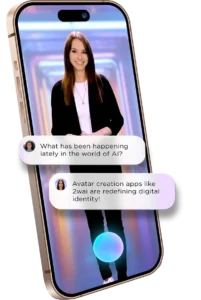
In enterprise contexts, some organizations explore the technology for virtual receptionists, interactive customer experiences, and simulated historical tours. The ability to speak multiple languages and deliver personalized conversations makes HoloAvatars attractive for global engagement workflows.
Current Pricing in 2026
As of early 2026, 2wai is available in a free beta version on the Apple App Store, with in-app purchases enabled. The app’s listing shows various in-app coin packages for additional features, ranging from small consumable bundles to larger collections that suggest a future subscription or premium model. Exact subscription prices for the full avatar generation and enterprise tiers are not officially published but industry analysis points toward typical AI engagement models in the $10-$20 per month range once the beta transitions to paid tiers.
Compared to competitors like Replika, StoryFile, and legacy interactive chatbot tools, 2wai’s pricing is positioned around mainstream AI consumer app tiers, albeit with specialized avatar capabilities that could command higher enterprise pricing once stabilized. Many competitors either focus on text chat or static interactive videos rather than real-time avatars.
Who Should Use 2wai — and Who Should Not
2wai may appeal most to creators, influencers, educators, and brands seeking more immersive digital engagement with global audiences. Professionals interested in preserving legacies or experimenting with cutting-edge identity AI may find unique value in HoloAvatars.
However, individuals primarily seeking casual chat experiences or those uncomfortable with deep involvement of personal data in AI should approach cautiously. Users with ethical concerns about replicating human personas—including deceased individuals—may find the platform controversial or distressing. Privacy and consent issues, particularly around recreating anyone beyond oneself, remain significant considerations.
Strengths, Limitations, and Drawbacks
A key strength of 2wai lies in its ambition to create lifelike, interactive avatars that bridge language and geographic divides in conversation. Its on-device processing and focus on user-approved data aim to set it apart from generic AI chatbots.
Limitations include mixed user reviews about performance quality and app reliability, with reports of avatar creation delays and glitches. The technology’s differentiation between promotional videos and in-app experience has drawn criticism for overselling capabilities. Ethical concerns about mimicking deceased individuals and the commercialization of grief further cloud public perception.
Business Adoption and Team Usage
Companies exploring 2wai often treat it as an experimental extension of digital identity rather than a core operational tool. In customer engagement, marketing, and virtual assistive roles, avatars serve as novel interfaces. Teams that manage global user outreach, brand storytelling, or interactive education benefit from avatars offering multilingual conversation without the need for human moderators.
Why 2wai Matters in the AI Landscape in 2026
2wai sits at the cutting edge of what many analysts call the digital identity frontier in artificial intelligence. It encapsulates broader trends toward personalized AI assistants, immersive virtual presence, and AI-driven social interaction that moves beyond text chat. The platform’s real-time avatars push the conversation about legacy, memory, and human-AI interaction into mainstream discourse, forcing society to reckon with deep questions about identity, consent, and AI’s role in personal continuity.
At the same time, its controversies highlight ethical boundaries that emerging AI technologies will increasingly navigate, particularly around sensitive human experiences like mourning, grief, and representation of the deceased.
Final Verdict
2wai is a technically bold and culturally provocative AI platform that expands traditional chatbot concepts into a new dimension of interactive digital presence. Its capability to generate conversational avatars from simple inputs positions it as an innovative tool for creators, marketers, and educators, but widespread adoption hinges on both technical refinement and ethical framing. While it offers compelling potential as a legacy preservation and engagement platform, users should weigh personal comfort with the ethical implications of digitized human likenesses. In the evolving AI terrain of 2026, 2wai remains a noteworthy experiment in how we project identity, memory, and connection into the digital future.
