
What Google Analytics AI is and what problem it solves in 2026
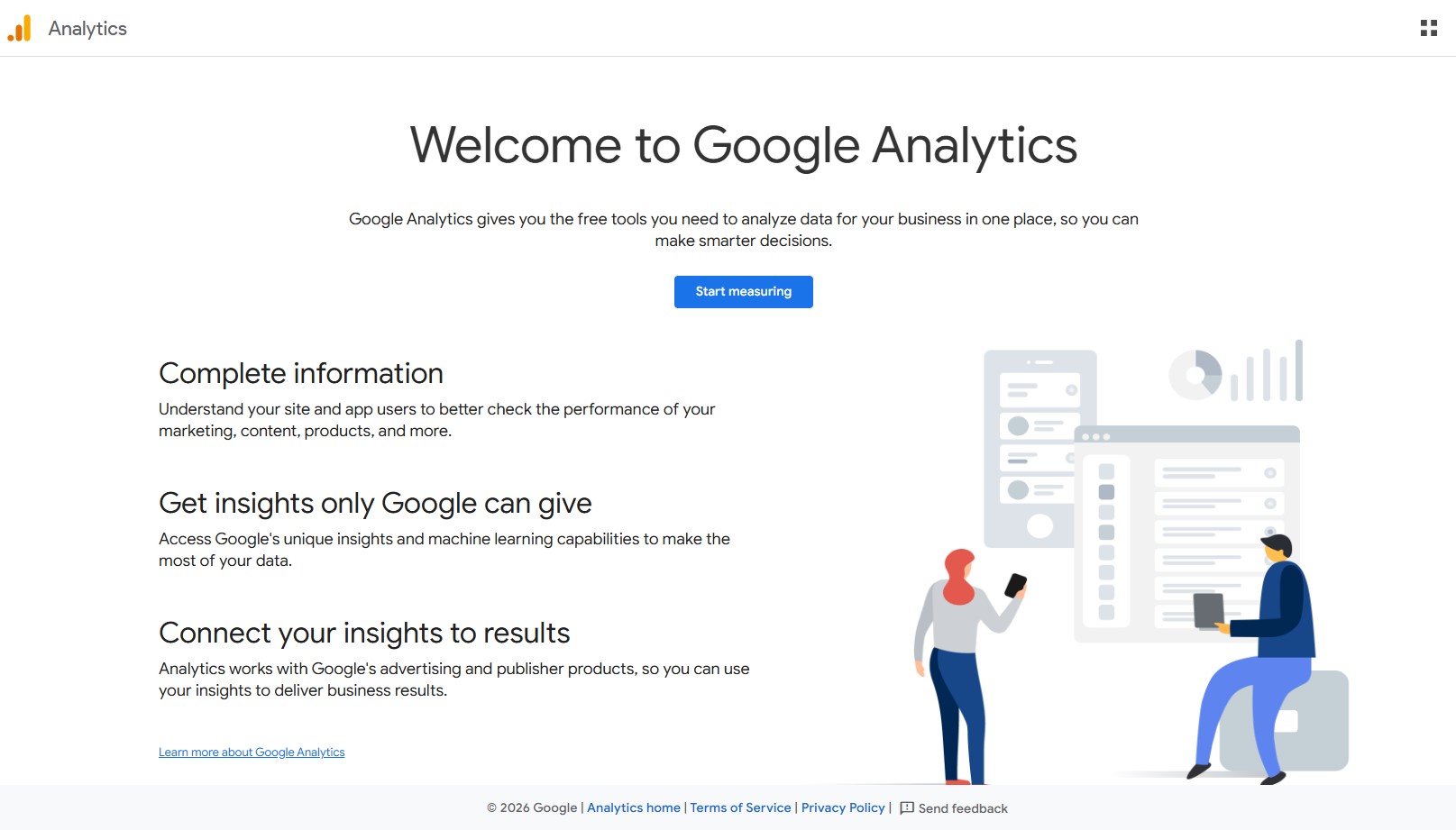
Google Analytics AI refers to the artificial intelligence‑augmented capabilities now built into Google Analytics 4 (GA4) — Google’s flagship analytics platform used by millions of websites and apps worldwide. In 2026, its AI features go far beyond traditional reporting, helping users automate insights, detect anomalies, forecast behavior, and interpret complex user data without heavy manual effort. This matters because businesses today must navigate vast, fast‑moving datasets across web and mobile channels, and AI in Google Analytics helps teams spot trends, predict outcomes, and make decisions quickly rather than relying on manual chart creation or spreadsheet analysis.
Who owns Google Analytics AI and the company behind it
Google Analytics AI is developed and maintained by Google LLC, part of the Alphabet corporate group. Google continues to offer Google Analytics (particularly the GA4 edition) as a free analytics platform for property owners and marketers, while enterprise customers can expand capabilities through Analytics 360 (the paid tier of GA4) within Google Marketing Platform. The AI features are embedded within GA4 and reflect Google’s broader investment in machine learning across its suite.
How Google Analytics AI actually works
Google Analytics AI applies machine learning and predictive modeling to your GA4 data to automate insights and amplify understanding of user behavior. Key functionalities include automated trend detection where the system highlights significant shifts in metrics, anomaly and outlier detection that flags unusual changes before you notice them, and predictive metrics that estimate the likelihood of user actions like purchases or churn. Behind the scenes, these AI systems process aggregated historical data, recognize patterns, and surface prioritized insights rather than just raw numbers, reducing noise and helping teams focus on what matters.
Real‑world use cases and how professionals use it today
Digital marketers and analysts rely on Google Analytics AI to interpret complex user journeys, automatically generating audience segments based on behavior rather than manual tagging. Ecommerce brands use purchase probability scoring to identify high‑value visitors and tailor remarketing lists. Content teams spot unexpected content performance surges without deep manual analysis, and product managers monitor churn probability and model user retention strategies. Integration with Google Ads also means AI‑driven signals can optimize campaigns and bids in real time based on predicted conversion likelihood rather than fixed rules.
Current pricing plans in 2026
Google Analytics AI features are generally part of GA4 at no additional cost for standard users. There is no separate subscription just for AI insights — the core capabilities are included in the free GA4 property and the paid Analytics 360 tier, which offers higher data limits, unsampled reporting, and service level guarantees for enterprise customers. This mirrors Google’s long‑standing model of free, robust analytics for most users with an optional enterprise upgrade for larger organizations requiring increased scale.
How pricing compares to competitors
Compared with paid analytics and intelligence platforms (e.g., Adobe Analytics with AI enhancements, or enterprise data intelligence suites), Google Analytics AI’s inclusion in GA4 makes it highly cost‑competitive, especially for small to mid‑sized companies that might otherwise pay for advanced predictive analytics. Competitor products can offer deeper integration with CRM or first‑party data, but their price tags (often thousands per month) contrast sharply with Google’s free base access and optional enterprise tier.
Who should use Google Analytics AI and who should not
Google Analytics AI is ideal for website owners, digital marketers, product teams, ecommerce businesses, and growth strategists who want fast, AI‑derived insights from real user behavior without investing in heavyweight BI stacks. It works well for both technical analysts and non‑technical stakeholders because of automated insights that eliminate manual drilling. It’s less appropriate for teams that need custom multivariate attribution models with deep causal inference, or enterprise segmentation beyond GA4’s limits, where specialized analytics suites or custom data platforms (e.g., BI tools with bespoke AI models) may be a better fit.
Strengths, limitations, and realistic drawbacks
Strengths include automated anomaly and trend detection, predictive metrics like purchase and churn probability, AI‑driven segmentation, and real‑time alerts that reduce manual analysis. GA4’s integration with Google Ads and BigQuery provides broader data synergies that scale up analytics workflows. Limitations include a learning curve for new users, potential sampling or modeling biases when data is sparse, and some organizations’ strict privacy or compliance needs that favor self‑hosted analytics solutions. Additionally, while AI features are powerful, they don’t yet offer fully conversational, generative analysis assistants directly inside the standard dashboard — though experimental features like conversational AI queries are emerging.
How Google Analytics AI is being used in businesses and teams
In practice, teams embed GA4 and its AI into weekly performance reviews, campaign optimization cycles, and customer journey analyses. Marketing teams automate notifications on significant metric shifts, product teams monitor predicted engagement or churn, and strategists use predictive revenue reports to inform budgeting and channel allocation. Enterprises tie GA4 data into BigQuery for advanced querying and modeling, sometimes layering external CRM data for richer insights and defining custom calculated metrics tailored to business logic.
Why Google Analytics AI matters in the AI landscape in 2026
By 2026 the shift toward predictive, behavior‑led decision‑making makes AI a core component of analytics platforms. Google Analytics AI matters because it not only reports historical performance but also anticipates future trends, helps automate segmentation and personalization, and adapts to incomplete or privacy‑constrained data. This allows businesses to move from reactive reporting to proactive strategy execution, aligning analytics with broader AI‑influenced marketing and product ecosystems.
A concise final verdict written like a human expert
Google Analytics AI in 2026 is a practical, broadly available intelligence layer built into GA4 that elevates traditional web and app analytics with machine learning‑driven insights, predictive scoring, anomaly detection, and automated segmentation. Its inclusion in both free and enterprise GA4 tiers makes advanced analytics accessible to a wide range of organizations, while integration with Google’s broader ecosystem (Ads, BigQuery, Looker Studio) amplifies its value for data‑informed decision‑making. Limitations around customization and conversational AI persist, but for most businesses seeking actionable, data‑backed insights without manual overload, Google Analytics AI delivers a compelling mix of automation, prediction, and strategic forecasting.