
What Matomo AI is and what problem it solves in 2026
Matomo AI refers to the artificial‑intelligence‑enhanced analytics capabilities now available in the Matomo Analytics platform — a privacy‑focused, open‑source web and app analytics system that gives teams complete control over their user data. In 2026, analysts and marketers face increasingly complex traffic patterns, including visits originating from AI assistants, chatbots, agents, or automated systems. Matomo AI helps businesses differentiate human versus AI‑generated traffic, extract actionable insights, and understand modern acquisition channels driven by generative tools, rather than simply relying on raw counts and traditional reports. This enhancement solves two major problems: visibility into AI‑related engagement and clarity on how AI systems influence discovery and user behavior.
Who owns Matomo AI and the company behind it
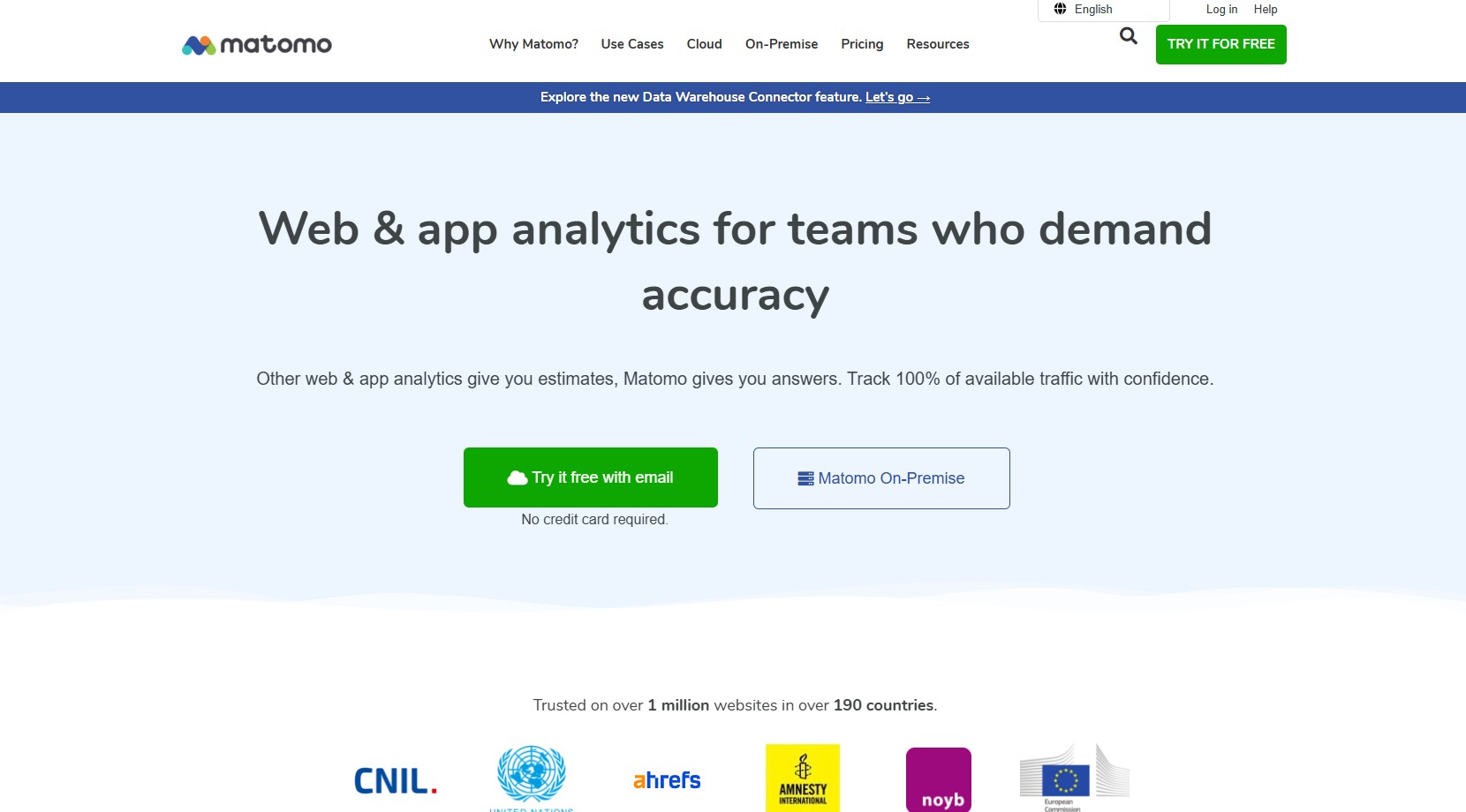
Matomo — originally launched as Piwik in 2007 and rebranded in 2018 — is developed by Matomo.org with support from an active open‑source community and a commercial team. It is a privacy‑first web analytics platform used on over a million websites worldwide, offering full data ownership, GDPR‑compliance, and flexible deployment options (self‑hosted or cloud). Unlike SaaS products that use proprietary backend AI, Matomo’s AI capabilities stem both from new native features like AI Agent traffic categorization and third‑party AI plugins that integrate generative models for report interpretation.
How Matomo AI actually works
Matomo AI functions through two complementary mechanisms. First, built‑in analytics extensions — such as the AI Agents plugin introduced in version 5.6 — detect traffic from automated systems such as AI assistants or autonomous agents and label those visits separately from human sessions. This allows teams to compare human behavior versus AI‑driven traffic using distinct segments. Second, AI‑powered plugins (e.g., ChatGPT/LLM integrations) extend Matomo’s reporting by adding AI‑generated insights and natural‑language chat interfaces that analyze existing analytics data, explain patterns, and answer questions about trends, goals, and user flows using large‑language models.
Real‑world use cases and how professionals use it today
In practice, Matomo AI helps digital teams segment traffic sources to isolate human versus bot and AI assistant visits, which is especially important for sites seeing referral traffic from LLM‑generated summaries. Marketing and analytics teams use AI insights to interpret trends, compare acquisition channels, uncover anomalies, and prioritize optimization tasks without exporting data to external tools. Agencies and consultants integrate generative chat‑style interfaces so that less technical stakeholders can ask natural‑language questions about analytics results and get interpretations and recommendations in context.
Current pricing plans in 2026 (free, paid, enterprise)
Matomo offers flexible pricing depending on deployment:
For self‑hosted installations, the core analytics platform — including AI traffic detection enhancements — is free and open source, though premium plugins and enterprise support require separate purchases. Cloud plans start at modest monthly rates (e.g., around €22 per month for small teams) and scale with traffic and retention requirements, with custom enterprise options available for high‑volume or compliance‑sensitive customers. Additional premium modules (e.g., advanced funnels, heatmaps) are priced separately.
How pricing compares to competitors
Compared with proprietary enterprise analytics offerings that bundle AI features and standardized dashboards (e.g., Adobe Analytics or GA360), Matomo’s pricing is highly competitive, especially for organizations prioritizing privacy and data ownership. Its self‑hosted option has zero license fees, and cloud options are usually more affordable than major SaaS analytics suites. However, advanced AI‑driven predictive analytics and automated recommendations — standard in some competitors — may require additional plugin investment or external AI integration in Matomo.
Who should use Matomo AI and who should not
Matomo AI is ideal for privacy‑conscious organizations, EU‑based enterprises with strict compliance needs, analytics teams tracking non‑Google data, and developers/analysts who want full control over their analytics stack. It’s particularly valuable where data ownership and granular analysis of AI‑driven traffic sources matter. It’s less suitable for teams that need full, turnkey predictive AI dashboards, automated forecasting, or deep cross‑platform AI analytics out of the box, as these may be better served by paid enterprise platforms with comprehensive built‑in AI suites.
Strengths, limitations, and realistic drawbacks
Matomo’s strengths include privacy‑first design, data ownership, flexible deployment (self‑hosted or cloud), and segmentation of AI‑related traffic. Its open‑source nature lets teams customize analytics deeply. Limitations include a steeper setup and maintenance curve for self‑hosted users, add‑on costs for advanced analytics modules, and AI features that often depend on third‑party integrations for generative insights rather than built‑in proprietary AI. Some organizations find that while Matomo tracks and reports effectively, predictive AI analytics and deep automation require external tooling or developer resources.
How Matomo AI is being used in businesses and teams
Teams embed Matomo AI into acquisition analysis cycles, conversion optimization workflows, and executive dashboards. It’s used to compare human versus AI assistant traffic, understand how AI referral sources influence user engagement, and tailor marketing strategies accordingly. Analytics teams also embed generative plugins to generate narrative summaries and recommendations for stakeholders who may not interpret raw analytics dashboards easily.
Why Matomo AI matters in the AI landscape in 2026
In 2026, web and app analytics is more complex than simple pageviews and sessions. Users increasingly discover content through AI agents, recommendation systems, and chatbot‑driven answers. Matomo AI matters because it adds contextual analytics capabilities that distinguish machine‑generated visits from human behavior, expose the influence of AI discovery on engagement, and provide interfaces — including natural‑language chat — that help analysts and non‑technical users interpret data meaningfully. This aligns with a broader shift toward hybrid analytics that blend traditional metrics with AI‑driven behavioral insights.
A concise final verdict written like a human expert
Matomo AI in 2026 is a strong choice for teams that want privacy‑centric analytics with enhanced AI awareness and interpretive capabilities. It continues Matomo’s heritage as a data‑ownership first alternative to mainstream analytics while adding useful features like AI agent detection and generative report interpretation via plugins. Its open‑source core and flexible pricing make it accessible to both small teams and enterprises, though those seeking fully turned‑key predictive AI analytics dashboards with minimal configuration may still prefer dedicated commercial solutions. Overall, Matomo AI delivers practical, privacy‑aligned analytics that help teams understand both human and AI traffic behaviors in a world where generative discovery channels increasingly shape user engagement.